
House Painters · Pasadena, CA
House Painting in Pasadena, California
Ivan's Pro Painting is a licensed painting contractor based in San Gabriel, California (CSLB #1095819), with 86 reviews across Google (4.9 from 34), Facebook (5.0 from 25) and NiceJob (5.0 from 27). We handle interior painting, exterior repaints, cabinet refinishing and stucco repair on Pasadena's Craftsman bungalows, Spanish Revival homes and historic-district properties, and every project is backed by a written workmanship guarantee.
Free estimate
On-site, itemized and free. Same-hour callback during business hours.
Our Services
Painting Services in Pasadena
Interior Painting
Walls, ceilings, trim and original millwork in older Pasadena homes.
Learn more →Exterior Painting
Wood siding, stucco and trim on Pasadena's older housing stock.
Learn more →Cabinet Painting
Sprayed kitchen and bath cabinet refinishing for a fraction of replacement.
Learn more →Stucco Repair
Crack repair and seamless texture matching before repainting.
Learn more →What makes painting a Pasadena home different
Pasadena is not a generic California paint job. Large parts of the city were built between 1900 and 1930. Bungalow Heaven alone holds around 800 Craftsman bungalows from that period, and became a landmark district in 1989. That age changes the work in three concrete ways.
- Prep is most of the job. Century-old wood siding, fascia, deep eaves and original window trim need scraping, spot-priming and often minor carpentry. On these homes prep hours, not paint, decide whether the finish lasts three years or ten.
- Pre-1978 home? We tell you what the paint needs before we quote. Lead work goes to a certified contractor.
- Stucco takes sun differently. South and west elevations chalk and hairline-crack in this climate. Patching and texture-matching has to happen before paint, or the new coat telegraphs every crack within a season.


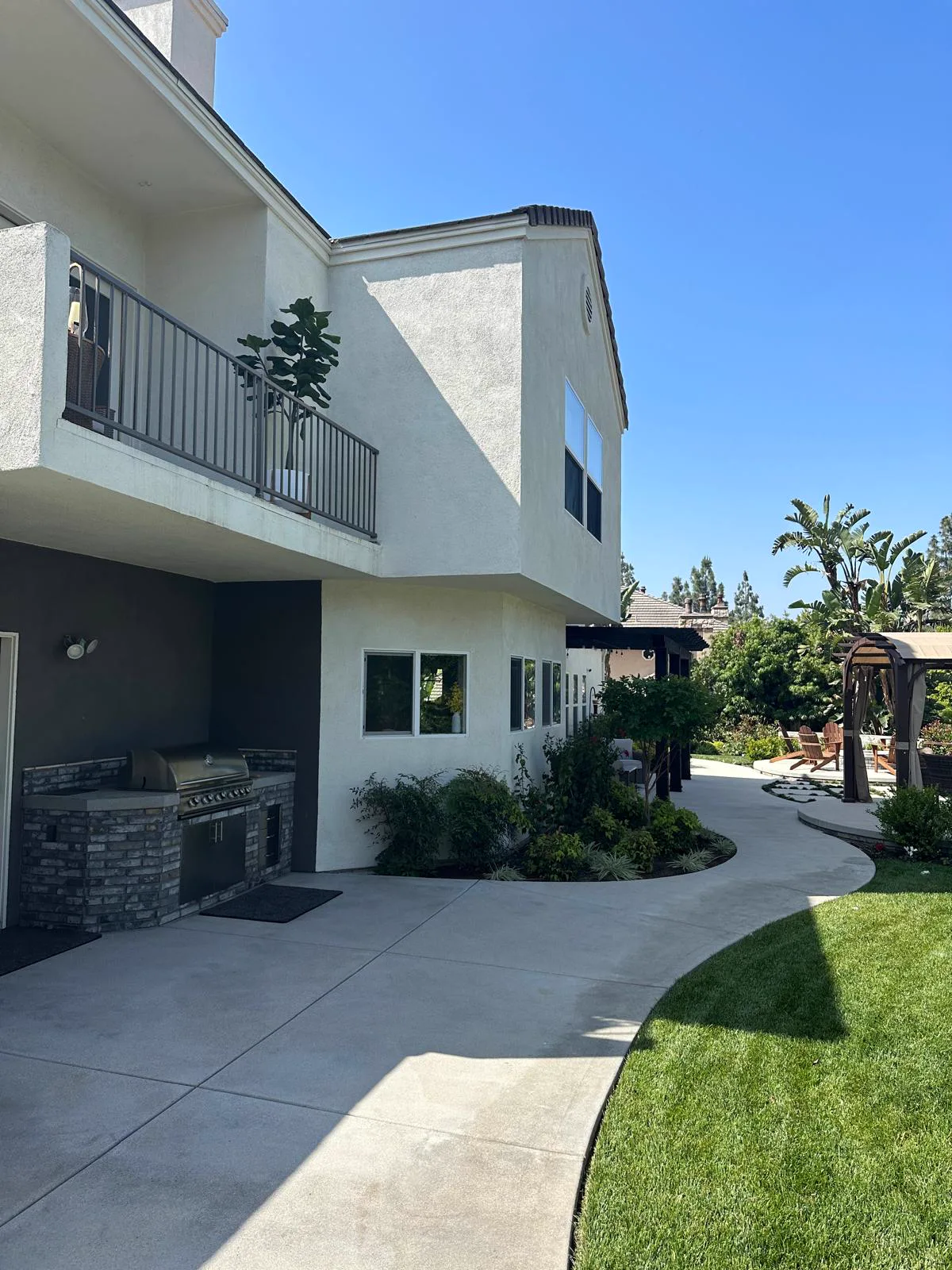
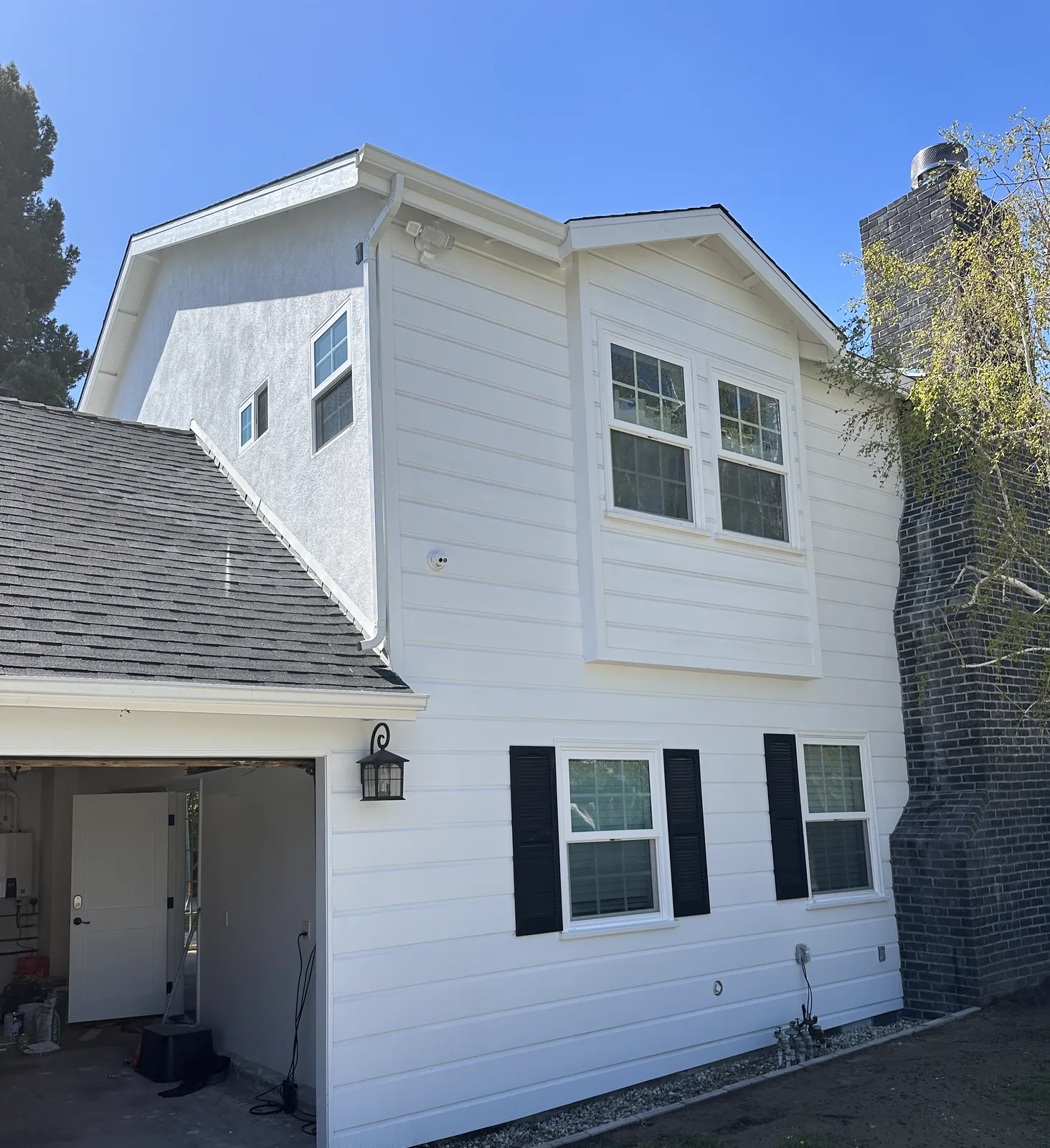
Interior painting in Pasadena
Interior painting in Pasadena runs $5 to $10 per square foot. It covers walls, ceilings, trim and the original millwork a pre-war house still carries. A standard interior quote includes:
- Furniture and floors covered for the whole job, with cleanup at the end of each day
- Damaged walls and ceilings patched, sanded and skim-coated
- Every gap at trim, baseboards and crown caulked
- Stains, patches and bare substrate spot-primed
- Premium low-VOC paint in two finish coats, which keeps the job within California air quality rules
- Doors, trim, baseboards and closets if requested, each priced on its own line
- Written 2 or 5-year workmanship guarantee on completion
Working inside older Pasadena homes
Interiors from that 1900 to 1930 era come with details a production crew tends to flatten: picture rails, box beams, built-in cabinetry, plaster walls and original stained trim. Two things we do differently on those homes:
- Plaster gets repaired, not just filled. Hairline cracking in lath-and-plaster returns through paint unless the crack is opened, taped and skimmed properly.
- Original woodwork is a decision, not a default. Painting over stained Craftsman trim is irreversible in practice. We will tell you plainly when leaving it is the better call, even though refinishing bills more.

A Pasadena plaster home with a lot of cracking
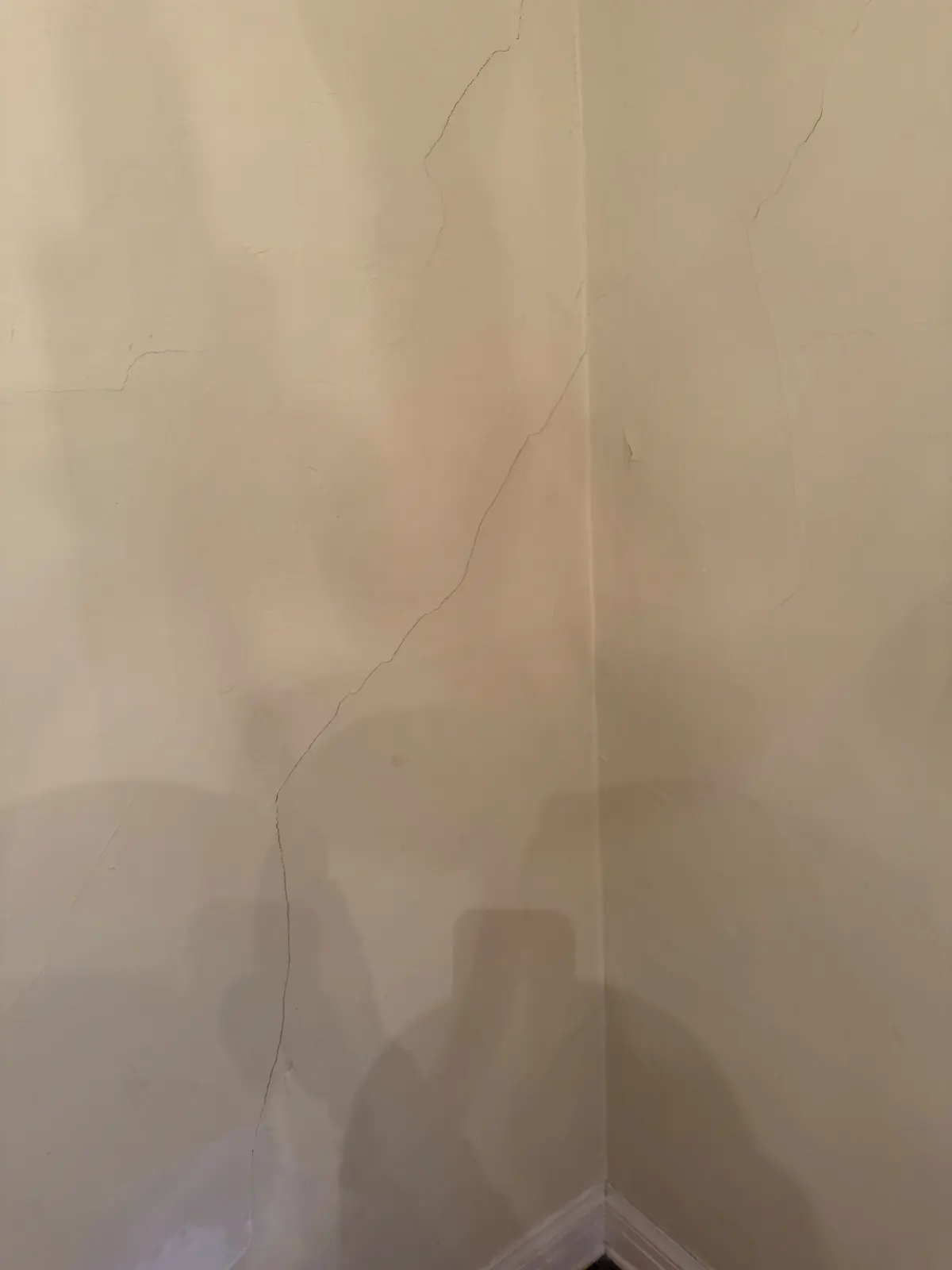
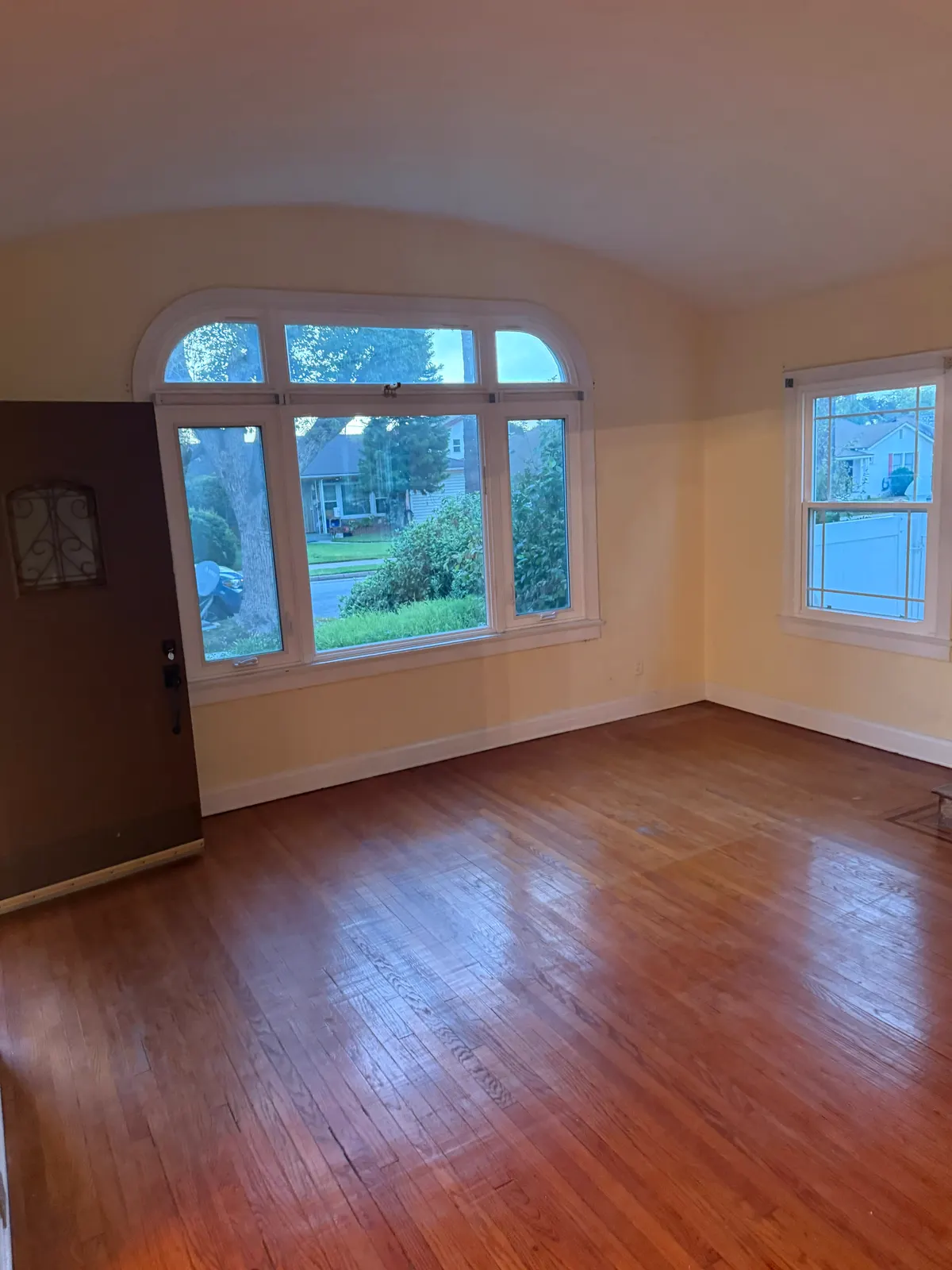
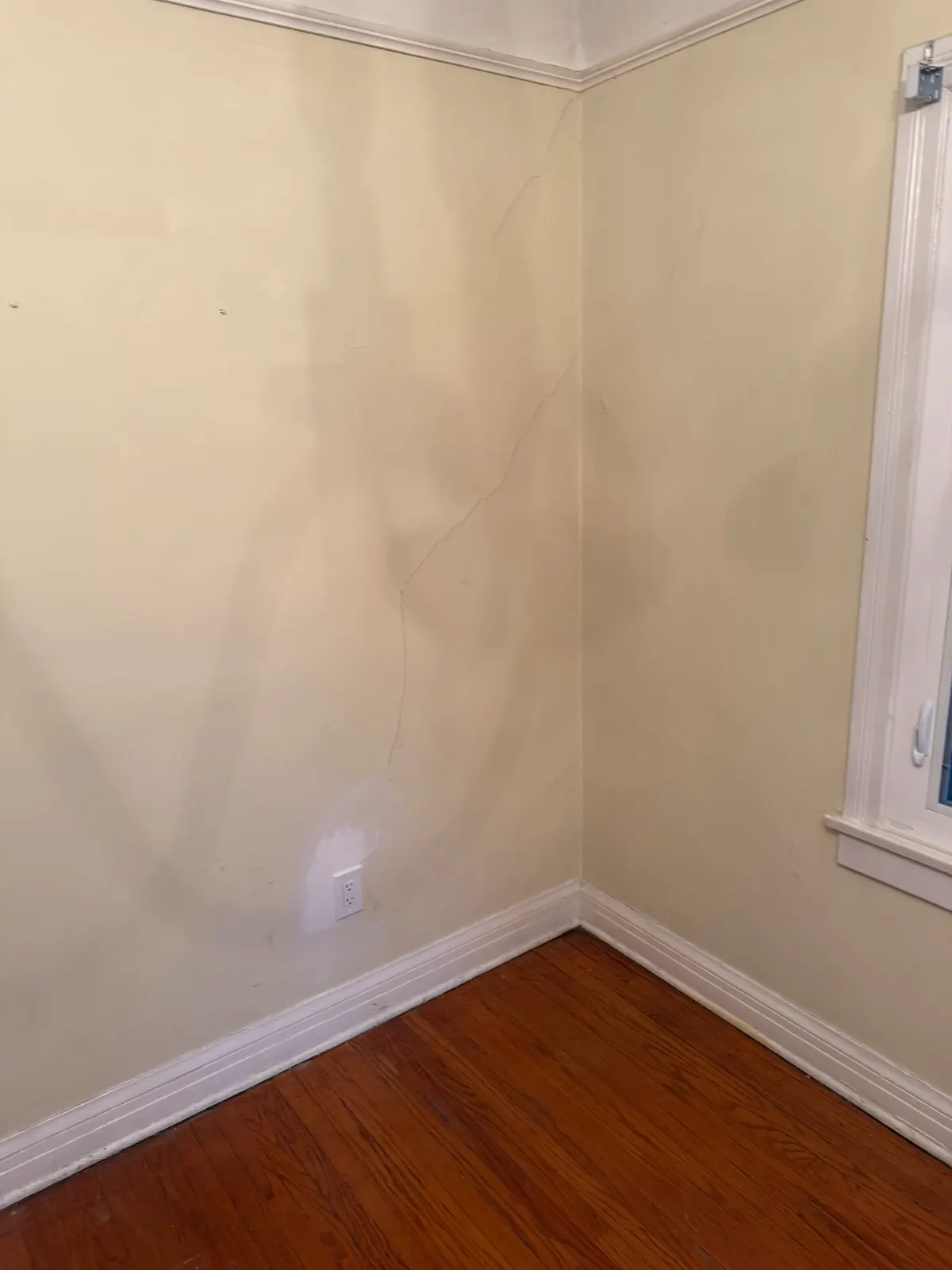
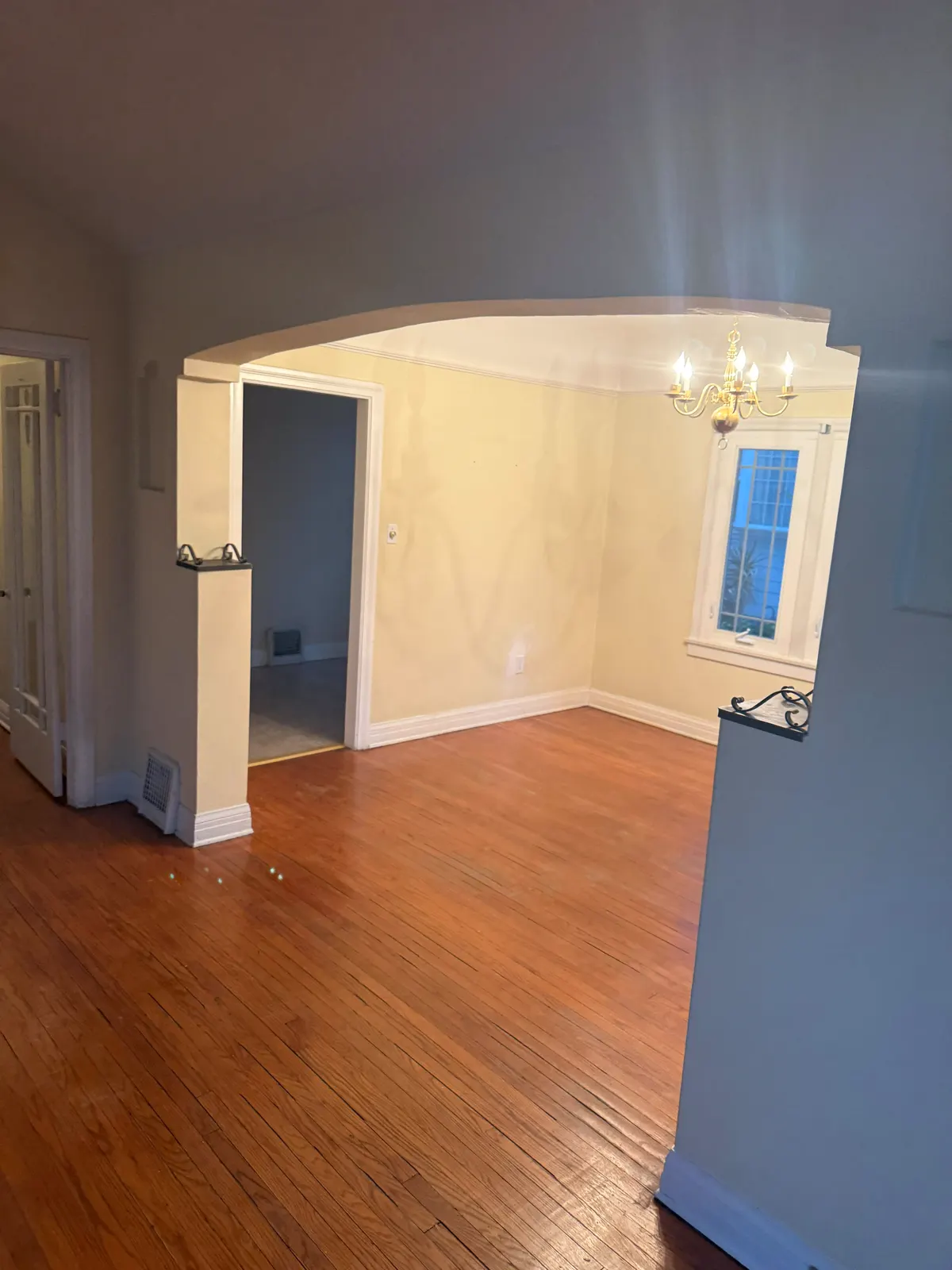
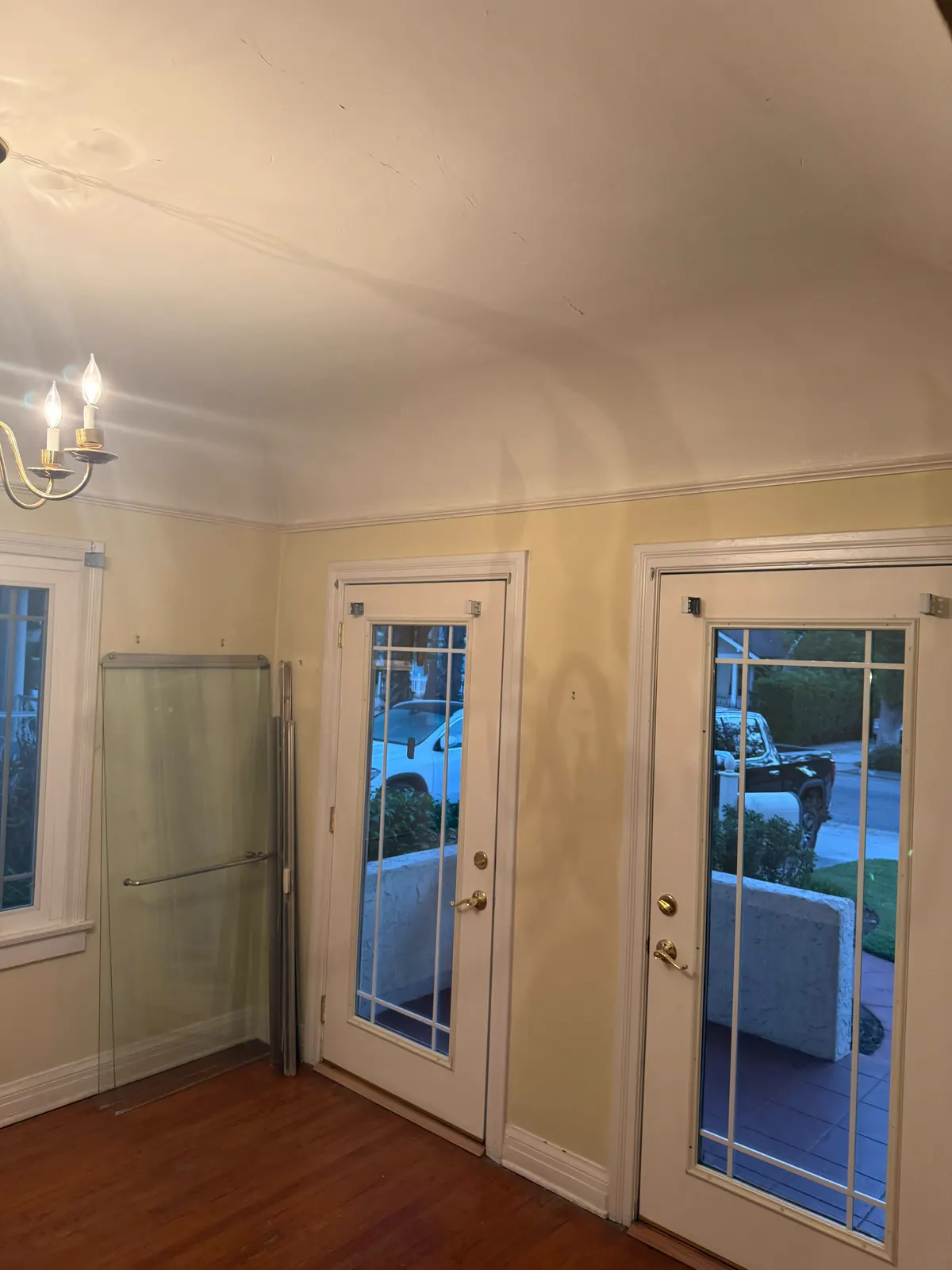
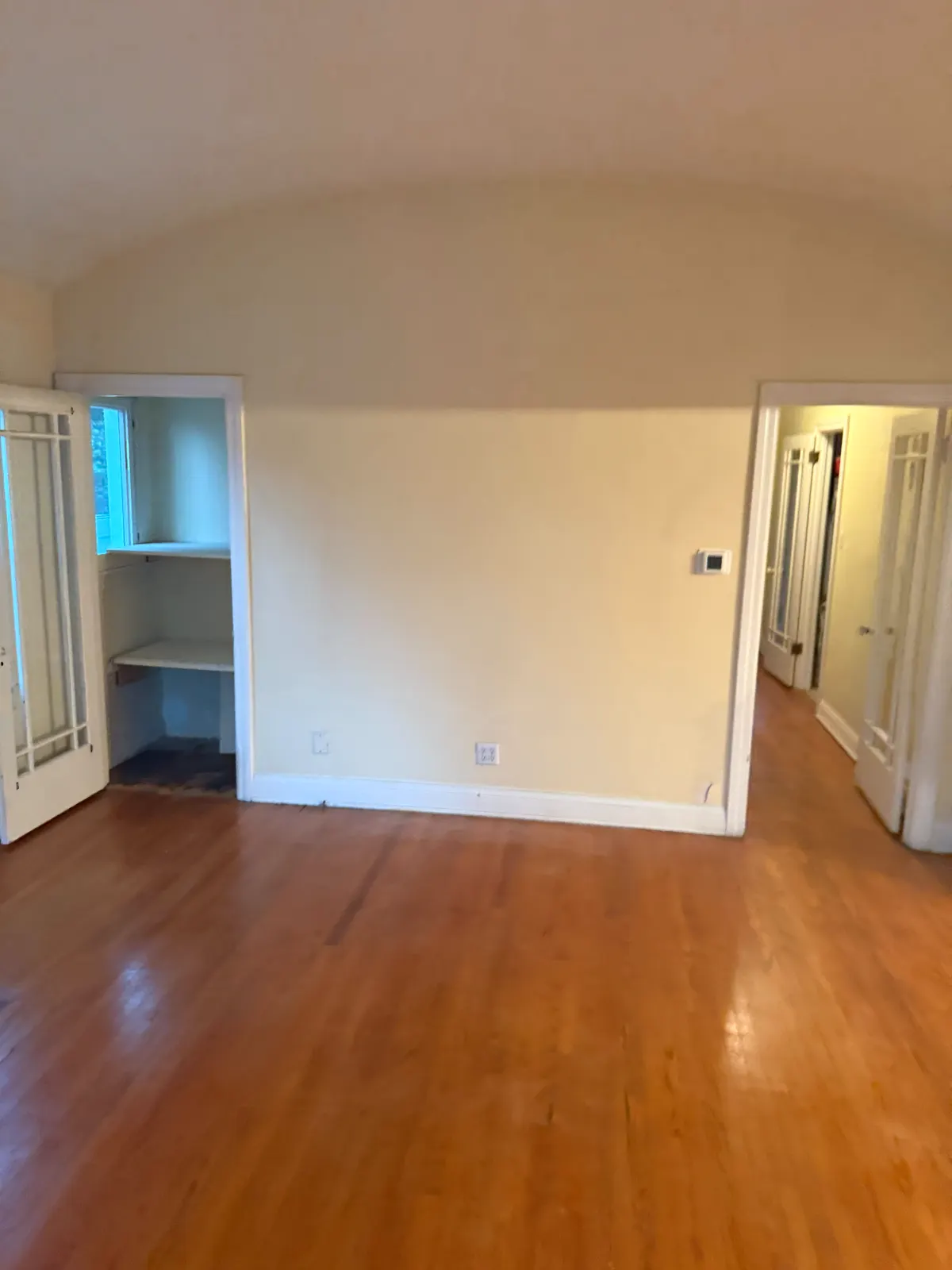
This Pasadena house is plaster, and plaster cracks. This one had a lot of cracking. Paint over it and the same lines come back through.
So the cracks get fixed before any paint goes on:
- Every crack opened up. Not filled over. Opened, so the repair has something solid to bond to.
- Fiberglass mesh over each crack. The mesh holds the crack together so it doesn’t open again under the patch.
- Patched, then spot primed. Every patched area gets primer before the finish coats.
Work on this one started in October 2026. These are the before photos.
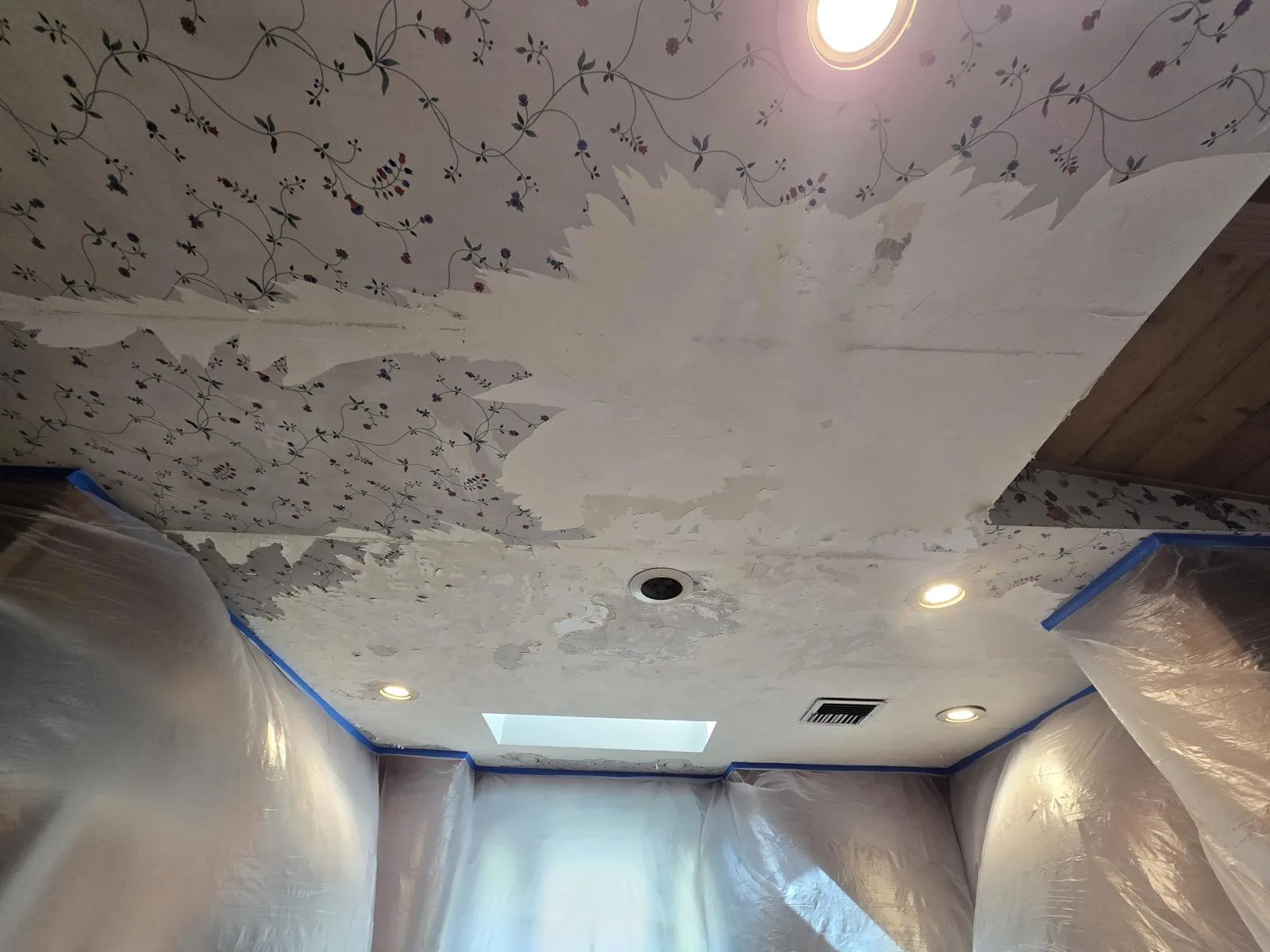
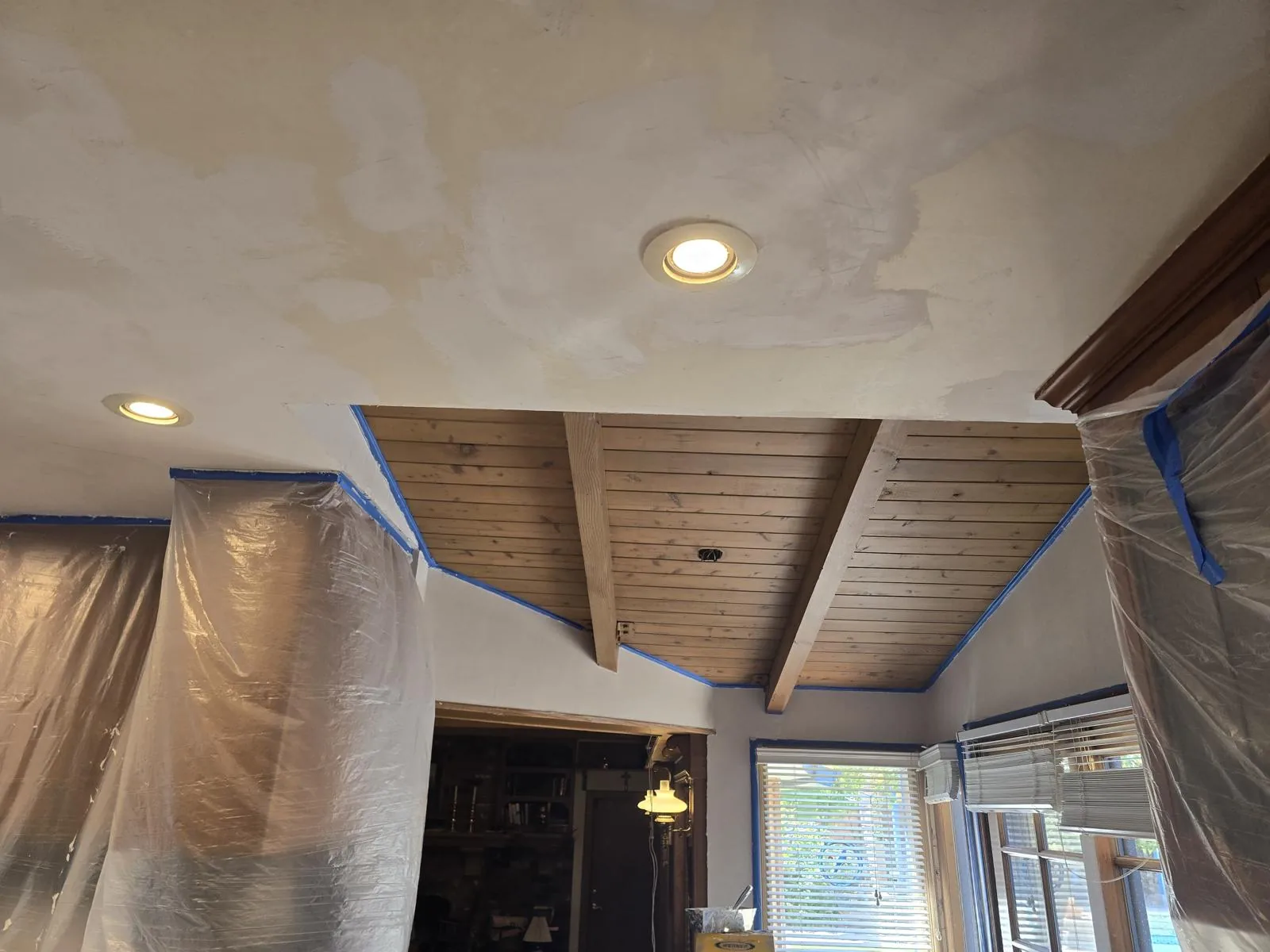
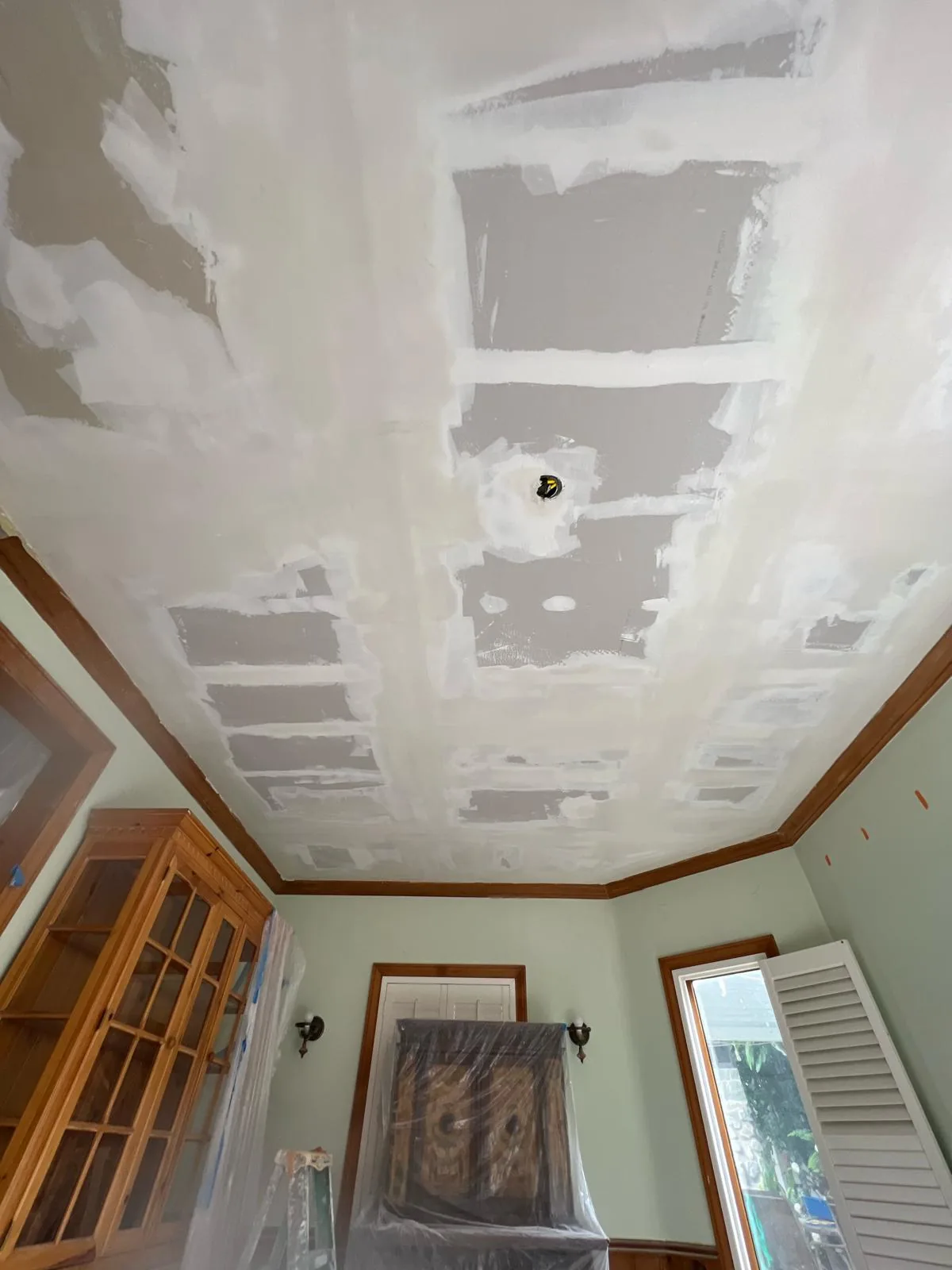
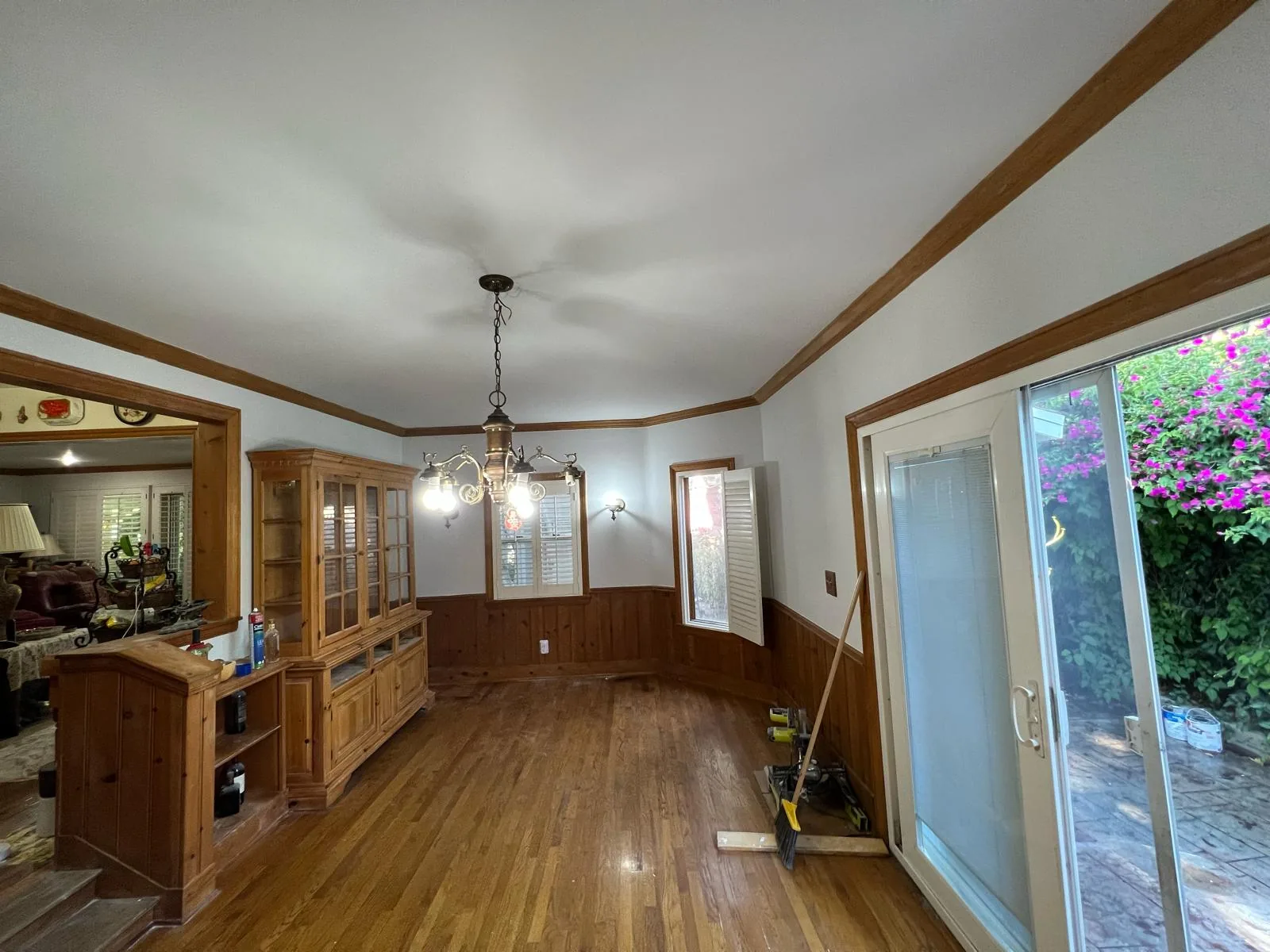
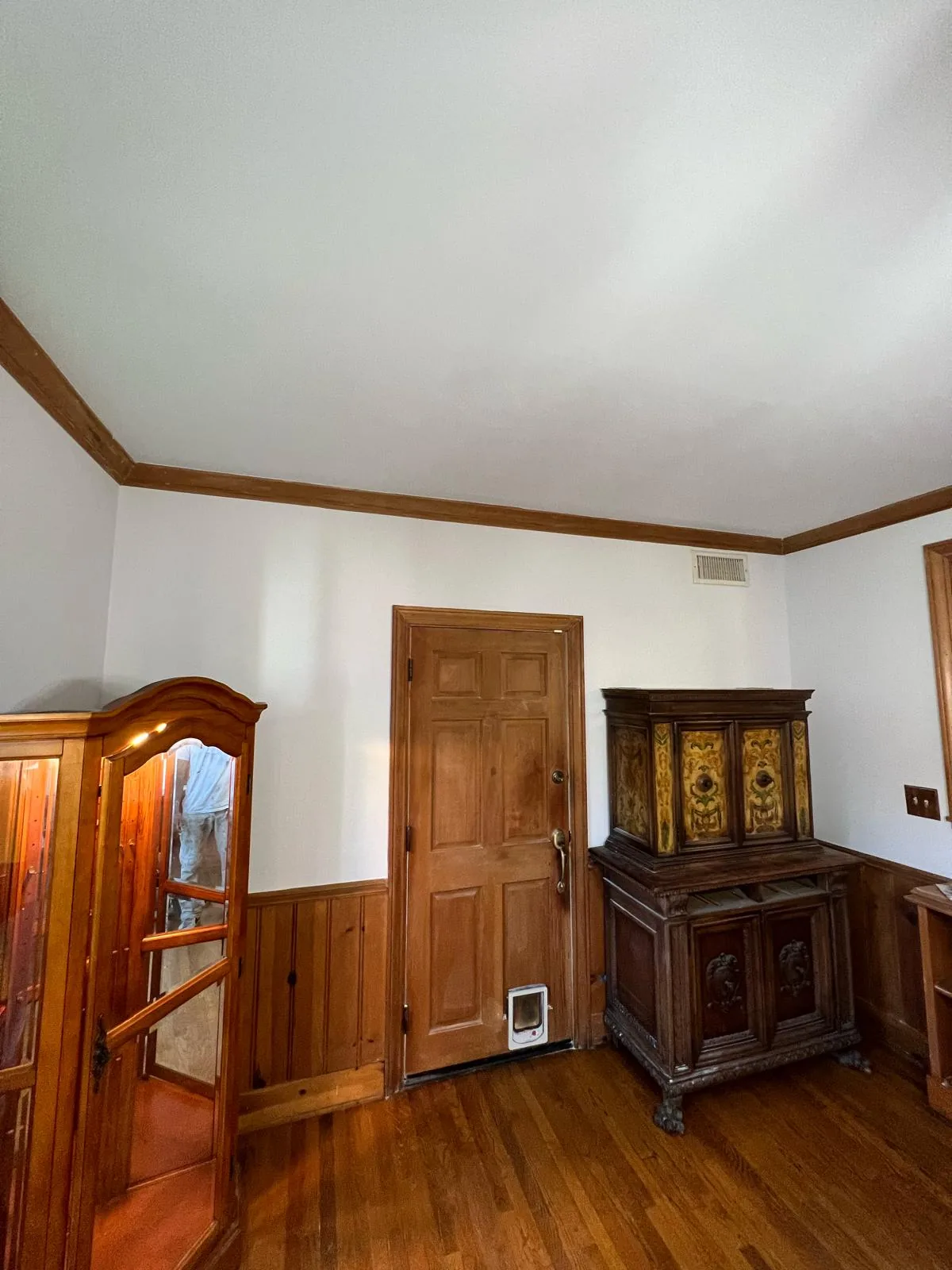
A Pasadena ceiling that had wallpaper on it
Papered ceilings turn up in Pasadena more than people expect. This one came off in strips, and what was underneath was not ready for paint.
Paper on a ceiling is not a surface you can coat over. The adhesive stays soft, the seams telegraph through, and anything rolled on top lifts within a season. It has to come off, the residue has to be washed out, and the plaster underneath has to be skimmed before a single coat goes up. The photos below run in order: papered, stripped, skimmed, finished.





Drywall repair, and why the patch is the whole job
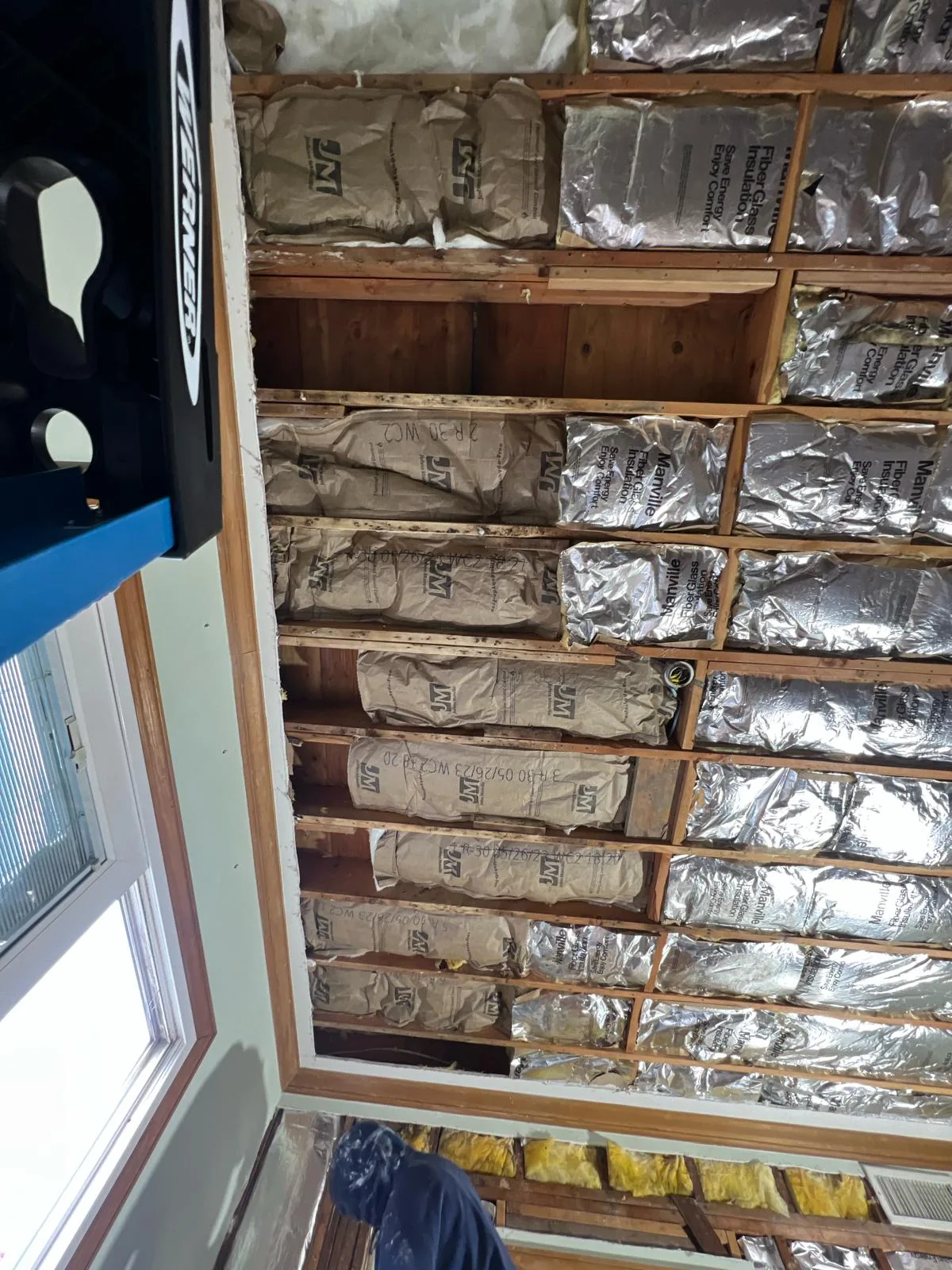
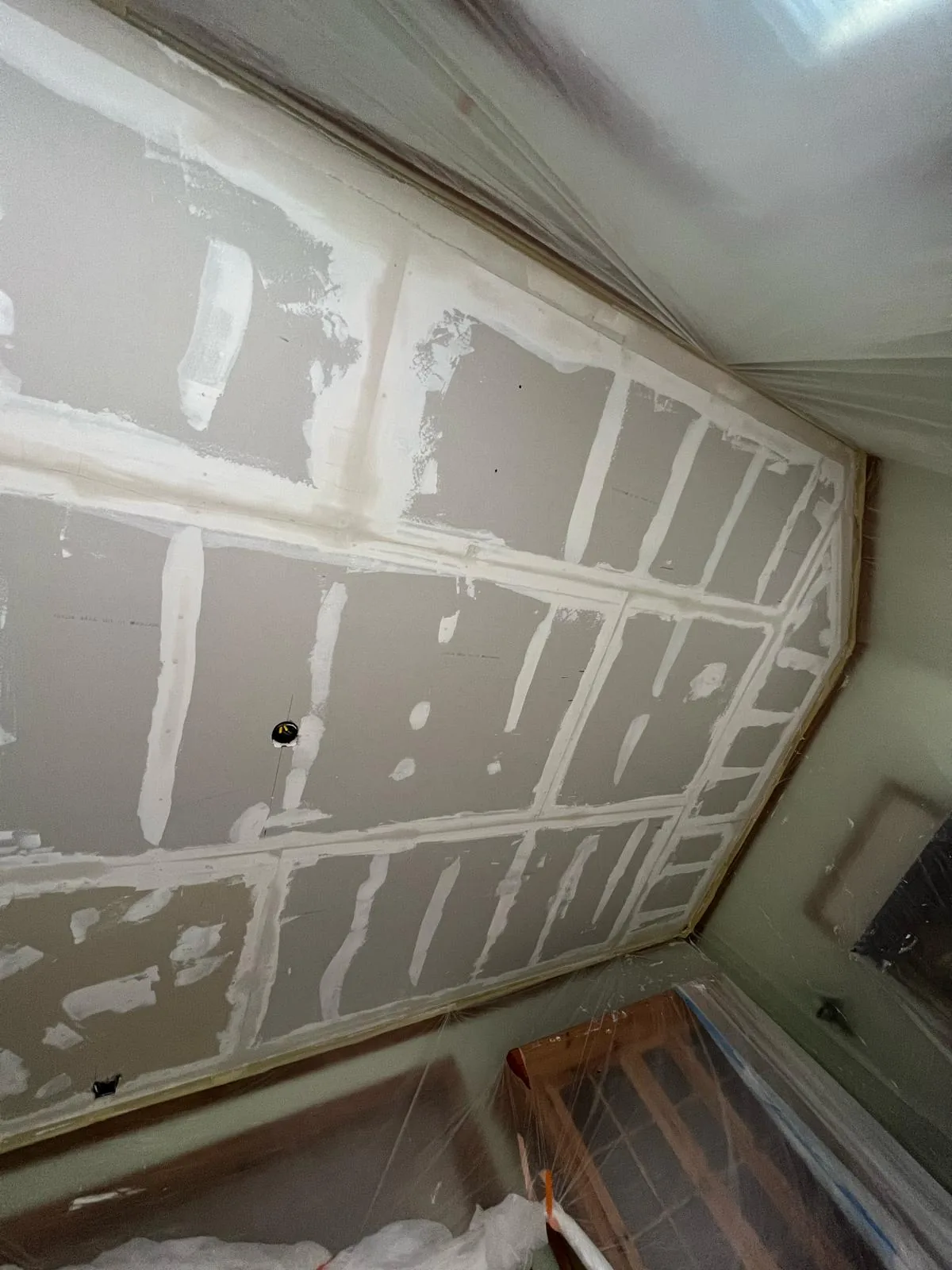
A patch that is flat is not the same as a patch that disappears. Getting it to vanish means matching the texture around it, not just filling the hole.
The repair gets taped, coated and feathered wider than most people expect, then the surrounding texture gets matched before priming. Skip the texture match and you get a smooth island in a textured wall, which reads worse under Pasadena afternoon light than the damage did.
A feature wall that had to line up
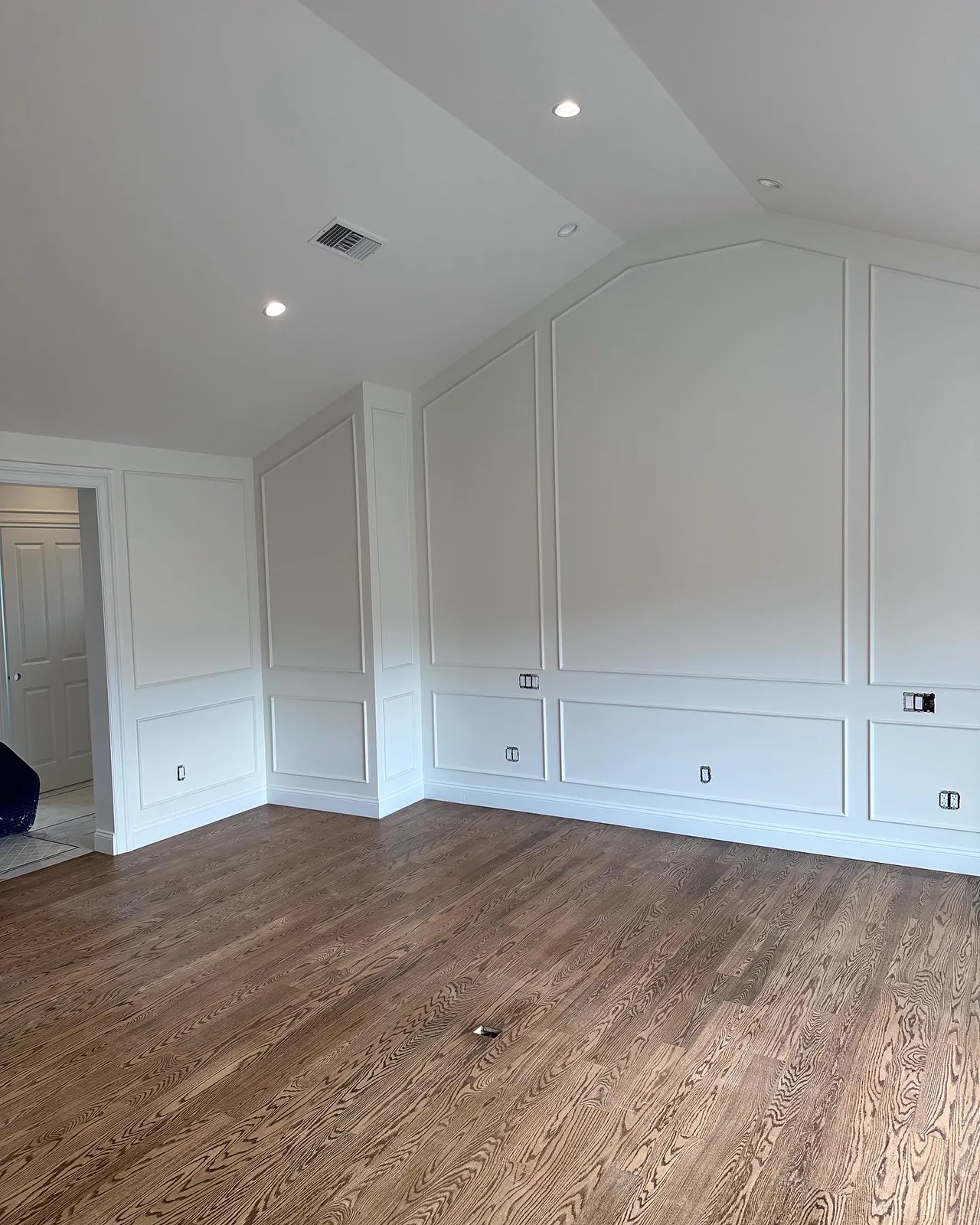
Feature walls look simple in a photo. The work is in the layout, because every line is measured before any paint goes on.
Spacing gets set out and marked first, so the pattern lands square to the ceiling and the baseboard rather than drifting across the wall. Then it gets cut in by hand. On a wall like this the eye finds a line that is a few millimeters off from across the room, which is why the plan comes before the brush.


Painting entries, staircases and stairwells
An entry and staircase is a small floor area carrying a lot of surface. The walls can run the full height of the house, the stairwell ceiling sits above the flight, and the stair itself brings newel posts, handrail, balusters, stringers, skirt boards, risers and treads. Repainting the space properly means ceilings, walls and trim in one scope, not walls alone.
Prep is the same work as any interior. Fill nail holes, caulk the gaps where trim meets wall, sand the sheen off handrails and rails so a new coat bonds, spot-prime patches and bare wood. What changes is the count. A staircase packs more edges into a short run than a bedroom holds in the whole room, and every one of those edges gets cut by hand.
Access decides the schedule more than square footage does. A stairwell wall is one unbroken plane from the entry floor to the upstairs ceiling, and the floor under it is a flight of stairs, sloped and stepped. A ladder will not sit flat on that. The work runs off adjustable-leg ladders, or a plank set between a tread and the landing to give a level platform to cut the top of the wall from. Setting that up takes longer than painting the wall does, and it gets reset every time the work moves along the flight.
The stairs are usually the only route between floors, so the job is sectioned to keep a path open. A wet handrail is the one surface nobody can avoid touching, so it gets coated at a point where the flight can be left alone until it dries.
Cut lines carry more weight here than anywhere else in the house. The entry is the first wall a person sees, and it is usually lit from the side by door glass or a landing window. That light rakes across the plane and shows every wobble in a ceiling line. Stair walls are harder again, because the line along the stringer runs on a diagonal and the eye checks it against the angle of the stair. A cut that sits slightly heavy in one spot reads as crooked, even when the wall behind it is flat.
So caulk goes in first to give the brush a hard edge to run against, ceilings are painted before walls, and trim is cut last against a wall that is already finished. One pass, one line, no chasing it later.
Kitchen cabinets and built-ins
Cabinets are their own scope, separate from walls and trim. Doors and drawer fronts come off to be sprayed, and original built-ins in a pre-war house get the same stain-or-paint conversation as the trim. Pricing, the full process and kitchen photos are on our page for cabinet painting in Pasadena.
Exterior painting in Pasadena
Exterior painting in Pasadena runs $4 to $9 per square foot, across wood siding, stucco and trim. Most of the work is prep, so a real exterior quote spells it out:
- Power washing to lift chalk, dirt and loose material
- Scraping and sanding failed paint back to a sound edge
- Stucco crack repair and texture matching, wood repair where needed
- Joints, trim, windows and penetrations caulked
- Every bare or repaired surface primed before the finish
- Premium exterior acrylic in two finish coats
- Written 2, 5 or 10-year workmanship guarantee on completion
If a competing bid does not list these separately, the gap between the two prices is almost always prep. Not paint.
One customer put it this way about their 1910 house: "There was a lot of prep work to be done and their team did an excellent job." That is the part that decides how an older home looks two years later.
Sometimes the stucco itself needs work before any coating does. This wall was cut back to the lath around a new window, then repaired, texture matched and repainted.


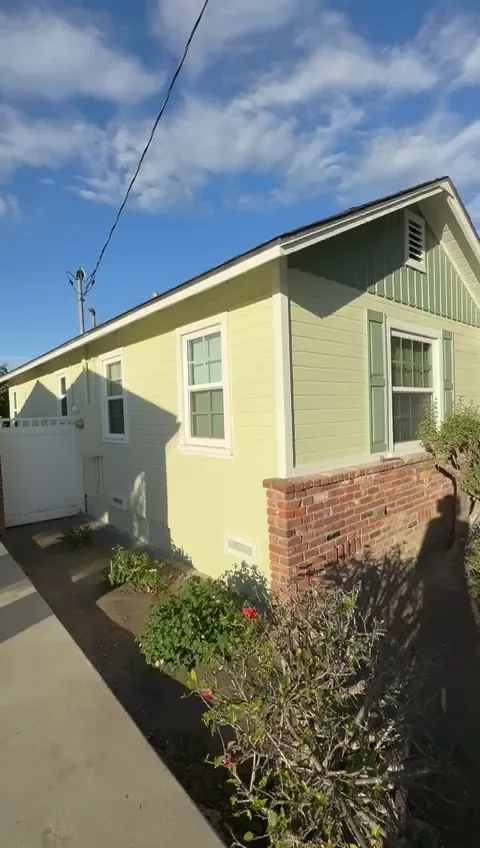
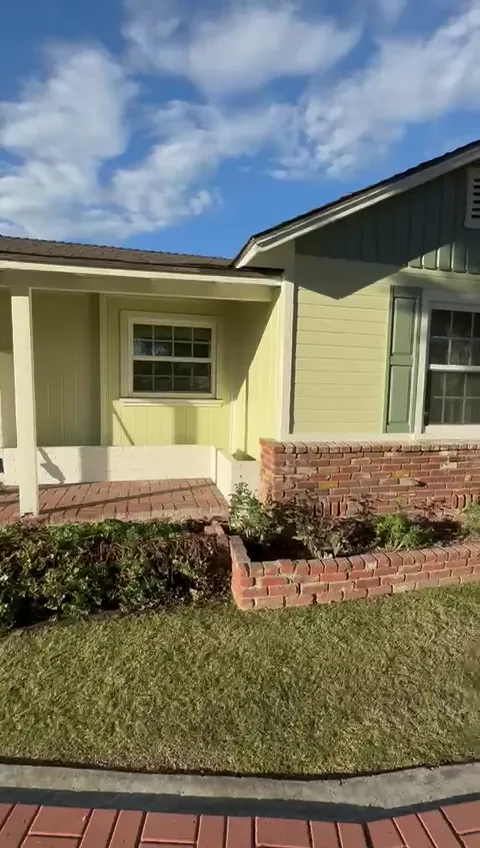
A Pasadena ranch that went from one color to three
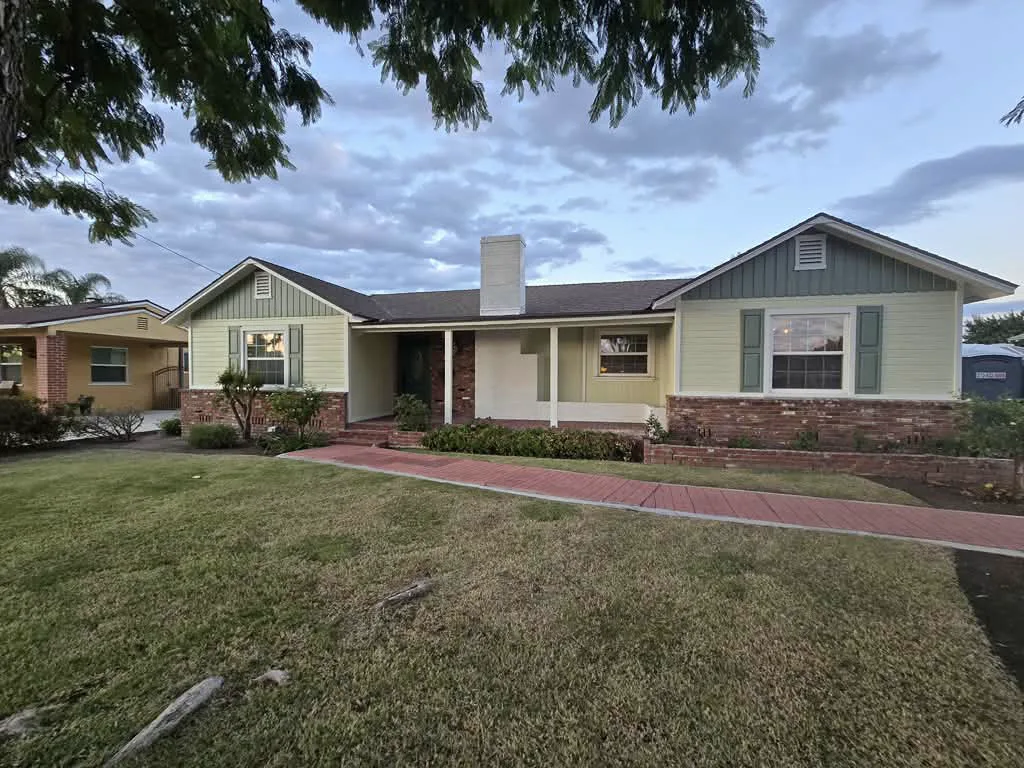
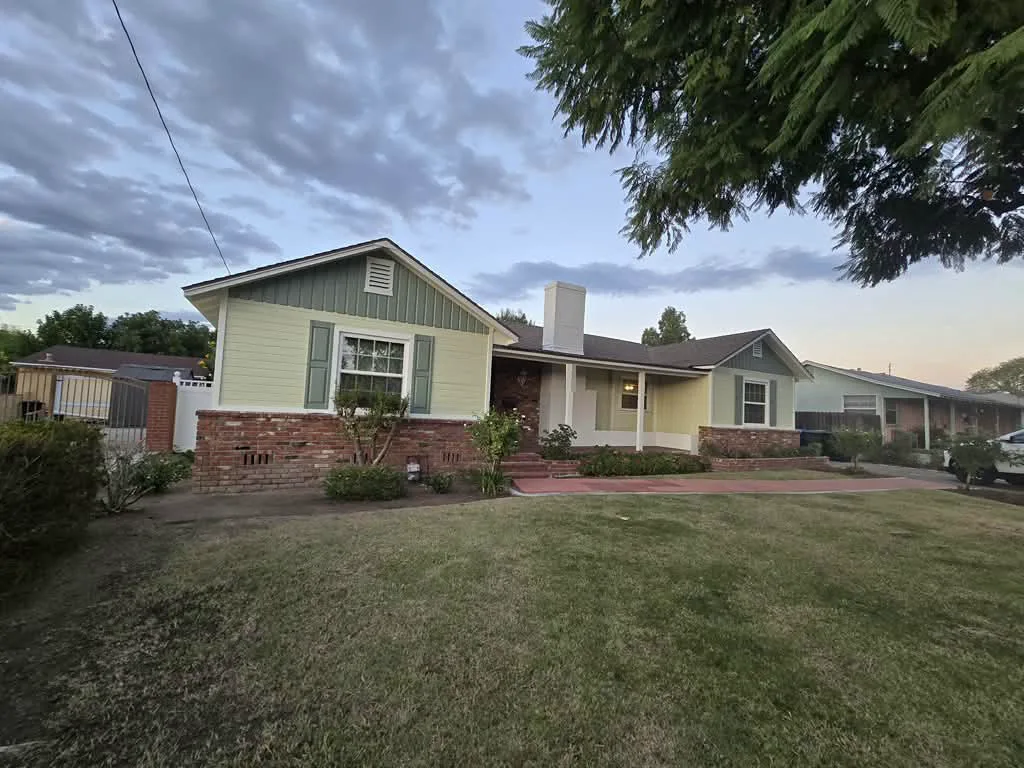
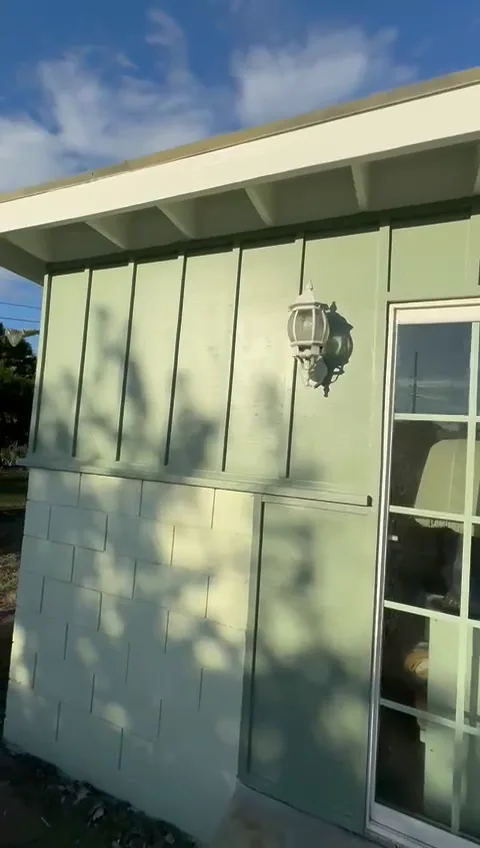
This Pasadena ranch had one color on everything. Body, trim and gables all matched, so nothing on the house stood out. Ivan helped the owners pick a scheme instead: a soft green body, a deeper sage on the board-and-batten gables and shutters, and white trim to frame the windows. He also suggested shutters for the front windows.
The color went on last. The prep came first:
- Rotted wood replaced. The bad boards came out, and the new wood was back-primed so the back of every board is sealed too.
- Two coats of primer. Before any color touched the house.
- Two top coats of Sherwin-Williams Emerald Rain Refresh. Two full finish coats, not one stretched thin.
A Pasadena stucco repaint that started with failure, not paint


The coating on this Pasadena elevation had failed. Not faded. Failed. Paint was sheeting off the wall in slabs and the chips were carpeting the ground below it. Half the elevation was down to bare stucco before anyone touched it.
Painting over that would have bought a season. Here is what the wall actually needed:
- Strip the failed coating back to the foundation. Every loose edge comes off. If it is lifting anywhere, it is lifting everywhere, and a new coat over a failing one fails with it.
- Patch the spider cracks. Stucco cracks in webs, not lines. Each one gets opened and filled before it can telegraph through the finish.
- Two coats of primer. Bare stucco is porous and thirsty. One coat disappears into it. Two coats give the finish something to hold.
- Then the finish coats. Which is the part most quotes describe, and the smallest part of the work.
If your wall looks like the first photo, the number you are given depends almost entirely on whether the bidder plans to strip it or paint over it. Ask which one.
How often stucco needs repainting in Southern California →
Knowing when not to paint


This one did not get painted. It got replaced.
The wood underneath was rotted and termite damaged. A repaint would have looked right for a few months and then failed with the substrate, because paint does not fix wood that is already gone. The bare sheathing came off and new blue lap siding went on instead.
Telling a homeowner their exterior needs more than paint costs a painter the easy version of the job. It is also the difference between a finish that lasts and one that peels off a rotten wall.
Pre-1978 homes
Pre-1978 home? We tell you what the paint needs before we quote. Lead work goes to a certified contractor.
Repainting in a Pasadena historic district
Paint colors and stains are exempt from Certificate of Appropriateness review in Pasadena's landmark and historic districts outside the Central District. If your home is a contributing property in Bungalow Heaven, Garfield Heights, Madison Heights or Prospect Park, you can repaint in the color you choose without filing for design review.
Review is triggered by physical alteration: replacing siding or windows, or changing architectural details. That needs a Certificate of Appropriateness before a building permit is issued. We flag anything in that category during the walkthrough, and if prep uncovers rotted siding or a failed window sash, we raise it before the work goes any further. Where an HOA sets its own color palette, that is a separate matter from city rules and worth confirming before paint is ordered.
Pasadena painting cost, at a glance
| Home type | Exterior repaint | Interior repaint |
|---|---|---|
| Craftsman bungalow, under 1,500 sq ft | Custom quote | Custom quote |
| Spanish or stucco single-story, 1,500–2,000 sq ft | $6,000–$18,000 | $7,500–$20,000 |
| Two-story, 2,000–3,000 sq ft | $8,000–$27,000 | $10,000–$30,000 |
Lime wash, lime paint, Venetian plaster and Roman clay are quoted separately. We use Portola Paints for Roman clay and lime wash.
Large or hillside homes of 3,000 sq ft and up run $12,000 to $27,000 or more for an exterior repaint.
Interior cost by room
| Room | Typical price |
|---|---|
| Bedroom | $350–$900 |
| Living room | $700–$2,500 |
| Kitchen | $400–$1,200 |
| Bathroom | $200–$650 |
See the full Pasadena painting cost breakdown →
Pasadena areas we work in
- Bungalow Heaven
- Madison Heights
- Garfield Heights
- Prospect Park
- Linda Vista
- San Rafael Hills
- Hastings Ranch
- Chapman Woods
- Playhouse District
- South Lake
- Daisy-Villa
- East Arroyo
We also serve Altadena, South Pasadena, San Marino, Sierra Madre, Arcadia, La Cañada Flintridge, Glendale, Alhambra, San Gabriel, Temple City and Monterey Park.
Answers
Pasadena Painting FAQ
Do you offer a warranty?
What prep do you do before painting?
Who are the best house painters in Pasadena, CA?
How much does house painting cost in Pasadena?
Is Ivan's Pro Painting licensed and insured?
Do you paint historic and Craftsman homes in Pasadena?
Do I need city approval to repaint in a Pasadena historic district?
What about lead paint on a pre-1978 Pasadena home?
Do you paint plaster walls in older Pasadena homes?
How often should a Pasadena house be repainted?
How long does a Pasadena repaint take?
Do you offer free estimates in Pasadena?
Prep first.Paint second.
Get a free Pasadena painting estimate
Licensed, insured, guaranteed in writing. Same-hour callback during business hours.
Book My Free Estimate →or call (626) 263-6444