
Wood Finishes · San Gabriel Valley
Wood Staining vs Painting
Stain soaks into the wood and keeps the grain visible. Paint sits on top as a film. Painting original stained woodwork is effectively irreversible, so decide surface by surface.
What Staining Does That Paint Does Not
Stain soaks into the wood. Paint sits on top of it as a film. That one difference drives everything else about the two finishes, including how they look, how they fail, and what it takes to bring them back.
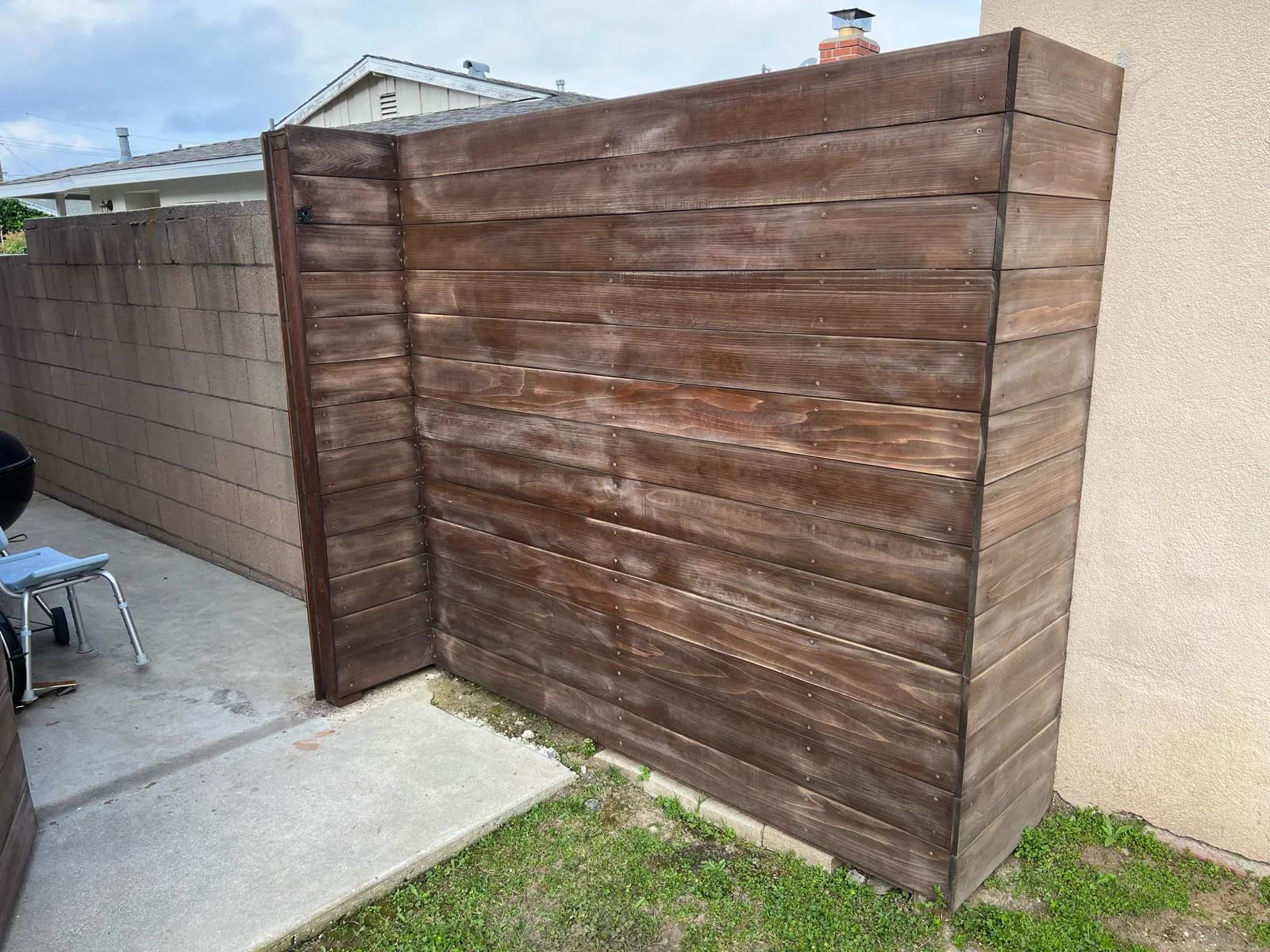
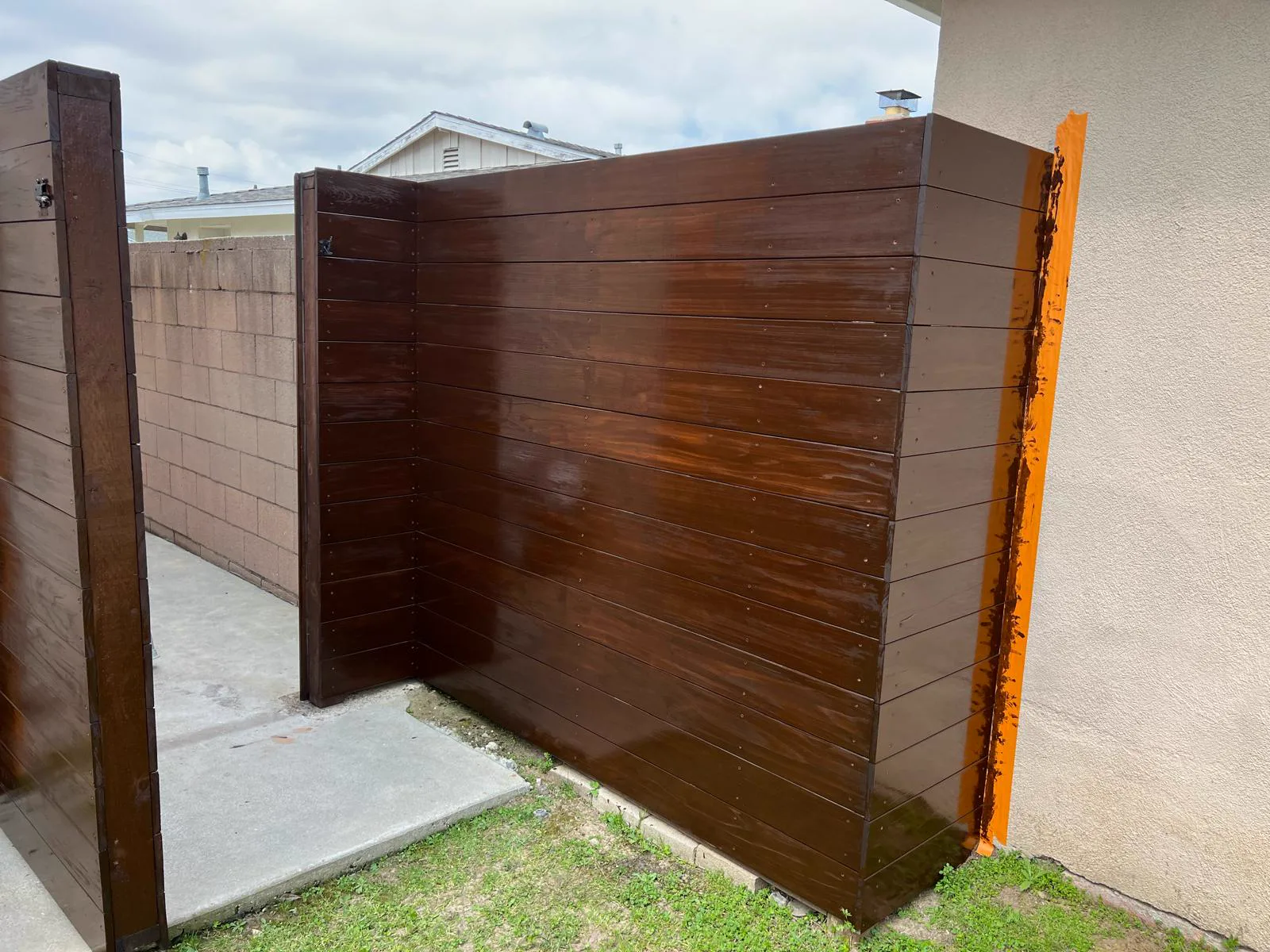
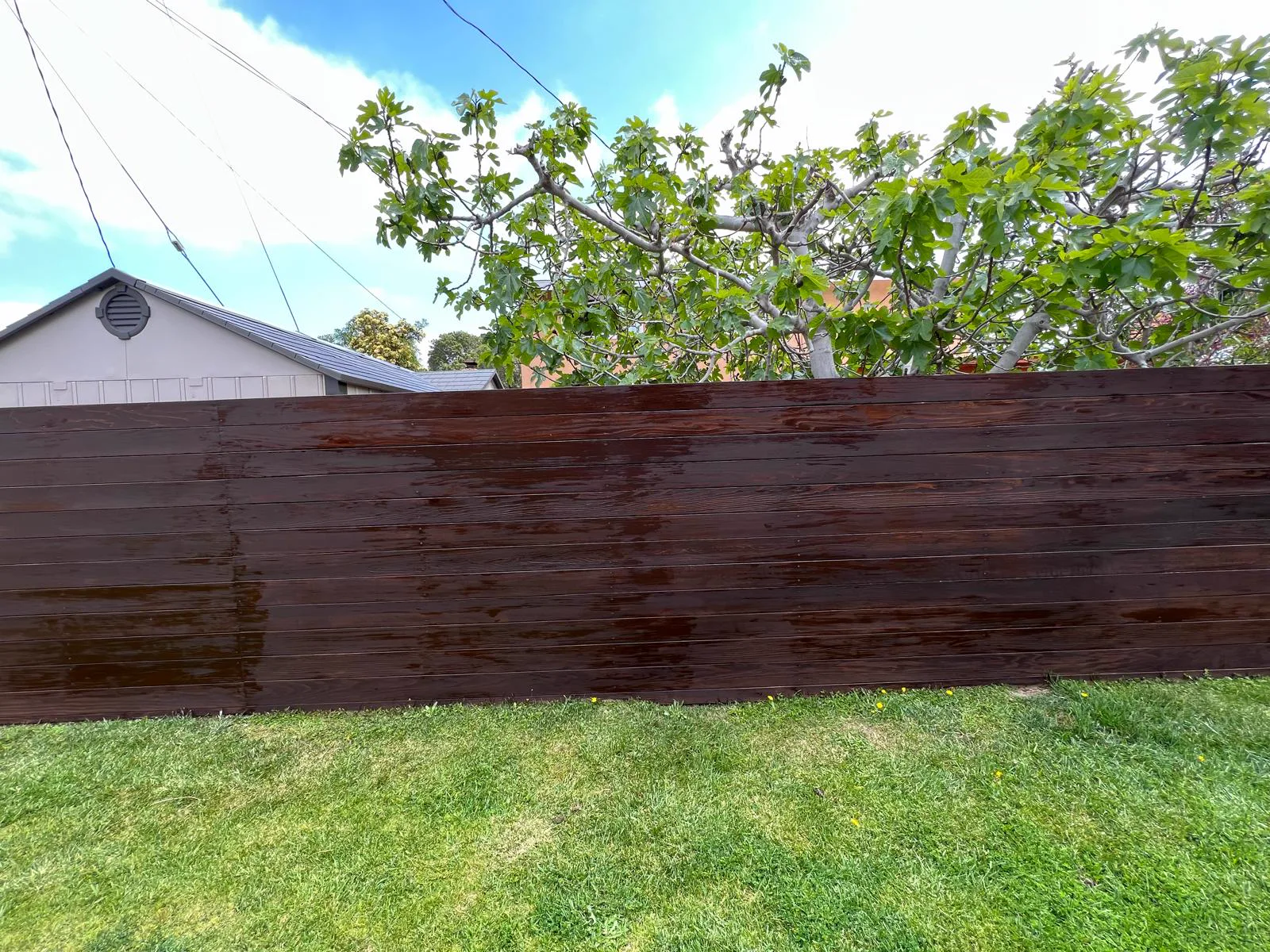
Stain keeps the grain visible. It changes the tone of the wood and lets the figure show through. Paint does the opposite. It covers the grain and turns the piece into a shape and a color. Neither is better. They are two different results, and the wood usually tells you which one it deserves.
They also fail in different ways. Paint is a film, so it fails at edges, joints and end grain, and it fails by chipping and peeling. That leaves a hard line between sound paint and bare wood. Stain has no film to peel. It fades and wears thin, usually first where sun and hands hit hardest.
Repair follows the failure. A peeled paint edge has to be scraped, sanded, spot-primed and feathered before it will take a new coat and not telegraph. A worn stain area is cleaned and recoated into the finish that is already there. That is the practical argument for stain on anything that gets handled or takes direct sun.
One thing stain will not do is hide. Filler, mismatched species, old repairs, glue smears and sun-bleached panels all read straight through a stain. Paint covers all of it. If the wood is a patchwork, stain makes the patchwork the feature.
When to Stain and When to Paint
Stain when the wood is worth showing. Solid stock, consistent species, tight joints, profiles that still have their crisp edges. Stain also makes sense when the surface already carries a stained finish and everything around it in the same room is stained. Matching into an existing stained scheme is far simpler than converting half a house.
Paint when the wood is not the point. Fingerjointed trim, MDF, veneer that has already been sanded thin, and surfaces that have been patched at three different times all finish better under paint. Paint is also the answer when the goal is to lighten a dark room, because a stained finish holds its depth by design. That is a straight interior painting job and it gets scoped like one.
Substrate matters more than most homeowners expect on the paint side. Bonding primer has to match what it is going onto, and wood, laminate, melamine and thermofoil each want a different primer. Getting that wrong is what makes a finish peel off in sheets later.
A mixed house is normal and it is not a compromise. Stained doors with painted casings. A stained front door in a painted entry. Stained beams over painted walls. The rule that holds up is to decide surface by surface, with everything else in the same sightline in view, rather than picking one finish for the whole house.
Painting Original Stained Woodwork Is Effectively Irreversible
This is the part worth slowing down on. Painting original stained woodwork is a one-way door. Going back later is not a repaint. It is a strip, and it has to reach bare wood everywhere the new finish will show.
The strip rarely comes back clean. Paint drives down into open grain and packs into the corners of profiles, bead detail and carving. Chemical stripper and sanding pull most of it out. What stays behind shows up as haze in the grain and pale lines in the recesses the moment stain goes over the top. Sanding hard enough to clear it rounds off the crisp edges that made the millwork worth keeping in the first place.
Pre-1978 home? We tell you what the paint needs before we quote. Lead work goes to a certified contractor.
If the decision is close, do one room or one door first and live with it through a few weeks of real light before committing the rest. The choice is easy to walk back while it is a single door. It is not easy to walk back once the whole house is painted.
Exterior Decks, Railings and Wood That Lives Outside
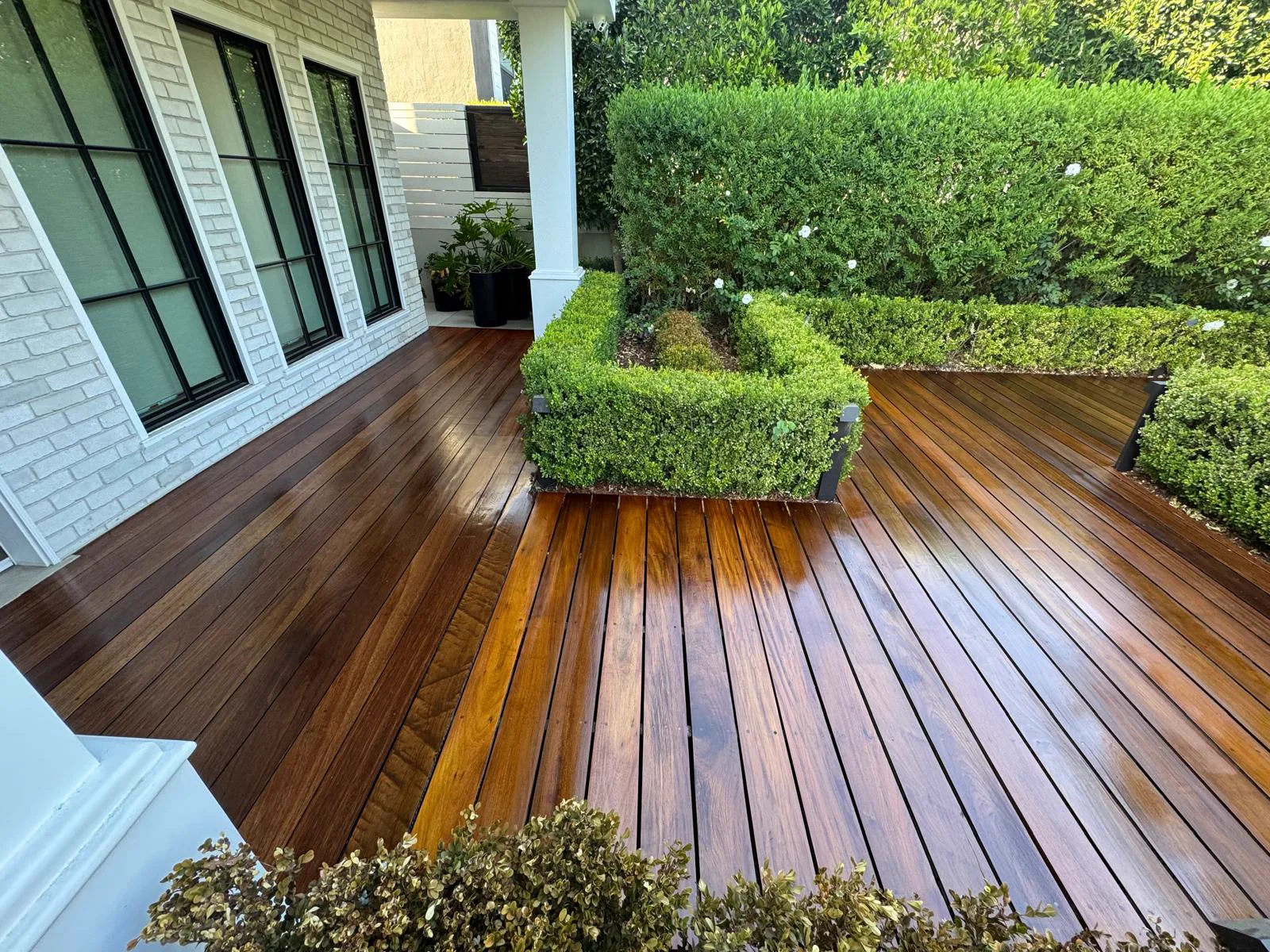
Exterior wood gets a harder run than anything indoors. Direct sun, heat, and water that sits on horizontal boards instead of running off. Deck boards take on moisture and dry out again over and over, and every cycle moves the wood underneath whatever is on top of it.
That movement is why a heavy film struggles on a walking surface. A film that cannot move with the board cracks, lets water in behind it, and lifts. A penetrating stain has nothing to lift. It wears down instead of peeling up, so a refresh is a clean and a coat rather than a strip back to bare timber.
Prep decides how long any of it holds. Washing off the gray weathered fiber, sanding, checking fasteners and boards that no longer hold, then coating wood that is actually dry. Coating over damp boards traps the moisture and the finish gives up early. Failed exterior paint is a prep problem for the same reason, and the siding and trim around a deck get scoped on the exterior painting side of the same visit.
Railings, posts and pergola beams are vertical. They shed water and they hold a finish longer than the boards bolted to them. Expect the walking surface to come due before the rails do. That is how decks behave, not a sign something was done wrong, and it is worth planning the maintenance around rather than fighting.
Stain types, prep and how often each surface needs a new coat are in the wood staining guide.
How the Call Gets Made at the Walkthrough
Stain or paint gets decided at the wood, not over the phone. What gets looked at is straightforward. Species, and whether the piece is solid or veneer. What finish is already on it and how many times it has been recoated. Whether the surface has been sanded before and how much material is left. Moisture on exterior wood. Sun exposure. And what the surface has to match in the same sightline.
A test spot settles most of it. A small area inside a closet, on the back of a door, or under a rail gets cleaned and sampled so you can see the real tone on your own wood. Stain reads differently on different species and different ages of the same species, so a sample on the actual piece beats a color name on a can every time.
Lighting deserves a mention. Modern downlights rake across a surface and show every flaw, which is why level 4 and level 5 drywall exists and why it is so unforgiving. Woodwork under the same lights behaves the same way. Sanding has to be even across the whole face, because a stain will make any inconsistency in that sanding permanent and visible.
There is no square foot price for stain work on this page, and that is deliberate. The scope depends on what is already on the wood and how much of it has to come off, and nobody can price that honestly without looking at it. The estimate is free. Ivan's Pro Painting is licensed, CSLB #1095819, and insured. The work carries a written workmanship guarantee, except decks, steps and handrails. Call (626) 263-6444 to have someone look at the wood before you commit to either direction.
Get a straight quote from a licensed San Gabriel Valley painter
Free, no-pressure estimate. Same-hour callback during business hours.
Book My Free Estimate →or call (626) 263-6444More Answers
Related Painting Guides
Interior Painting Cost
Per-room and per-sq-ft interior painting prices in LA County.
Read the guide →Exterior Painting Cost
What exterior painting costs in Los Angeles and what a real quote includes.
Read the guide →Cabinet Painting vs Replacing
When to paint cabinets and when replacing is worth $25k+.
Read the guide →